

Bangalore & Karnataka
Tile Epoxy Grouting
Mould inside the joint
Sealed for good
We inspect before we quote
We cut it all out
Epoxy goes in
Whole floors too
The joint gives out
Wipes clean
Back in use
100% waterproof joints. 10-year written warranty. No tiles removed.
Before / after
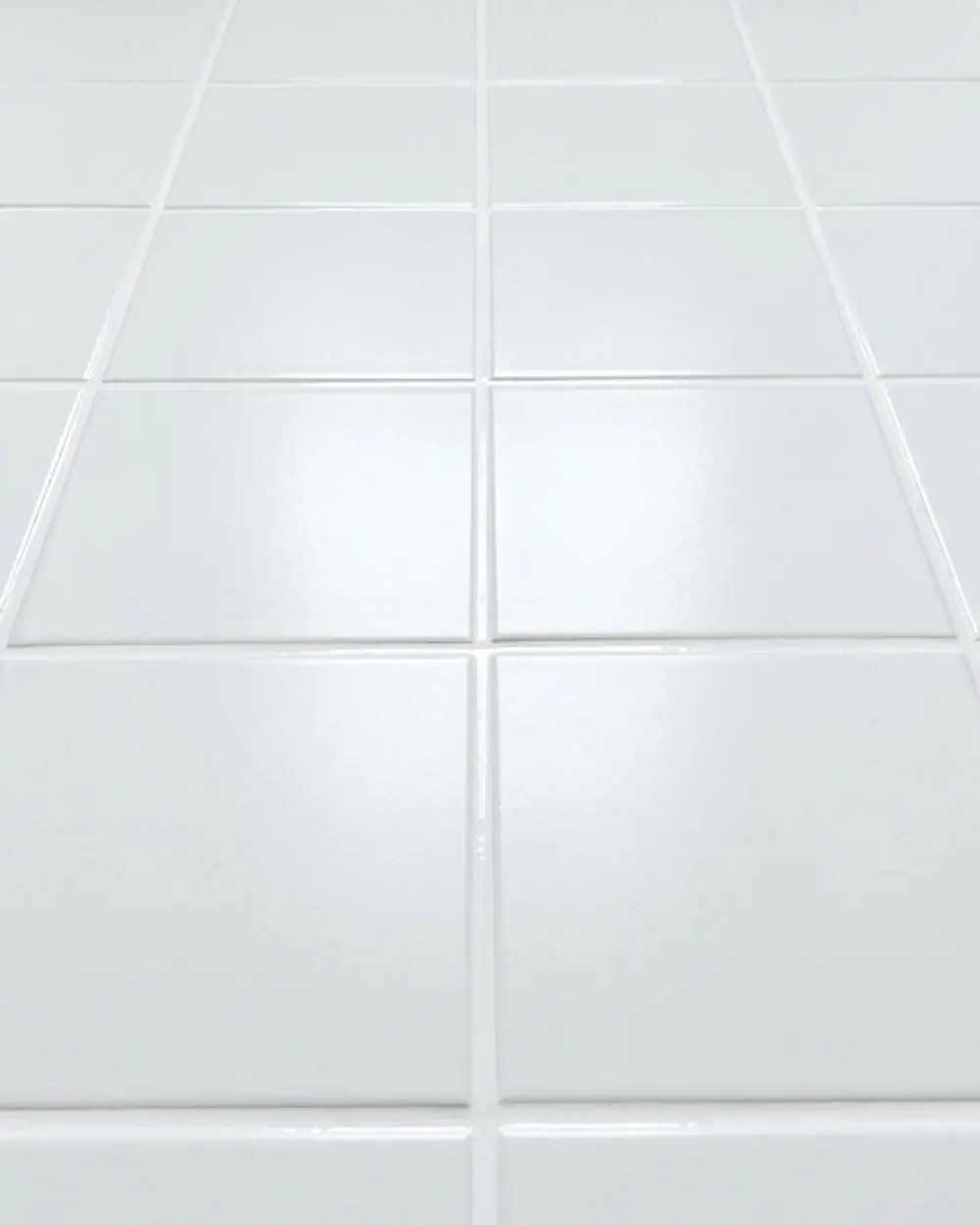
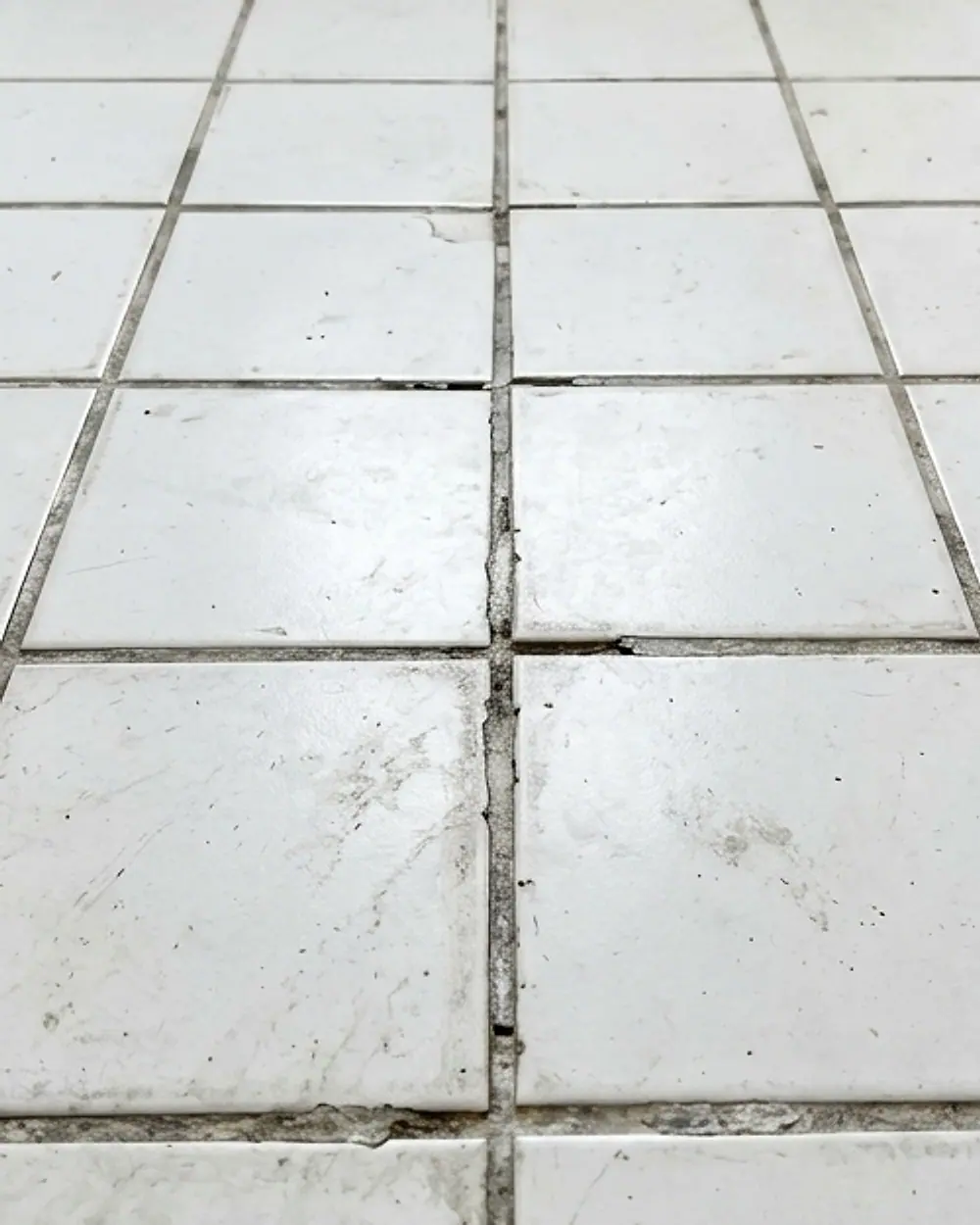
The tiles don’t change. The lines do.
Drag the handle. Nothing has been lifted, replaced or re-tiled — only the grout between the tiles has been cut out and refilled.
Drag to compare
How it works
Three steps. Your tiles stay put.
-
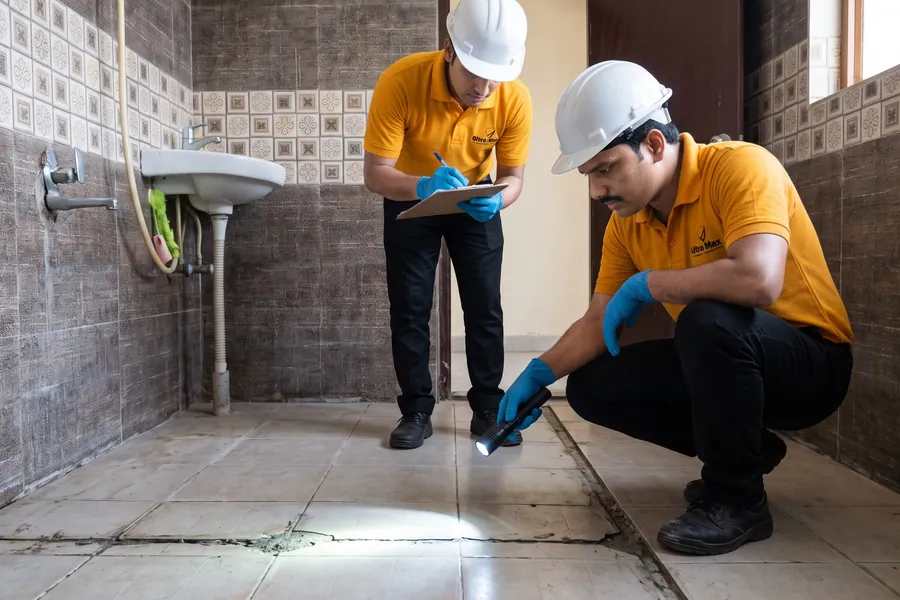
We come and look
Call or send the form. We book an inspection, check the joints and the tile, and tell you exactly what the job needs before any work starts.
-
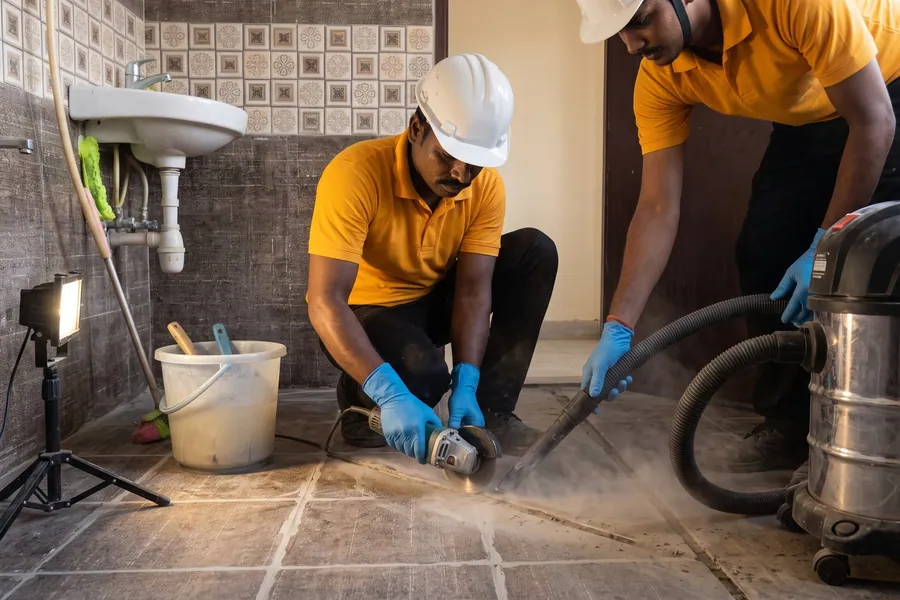
Old grout comes out
The failed cement grout is cut out of every joint. This is the part cheap operators skip, and it is why their work lifts within a year.
The step cheap quotes leave out
-
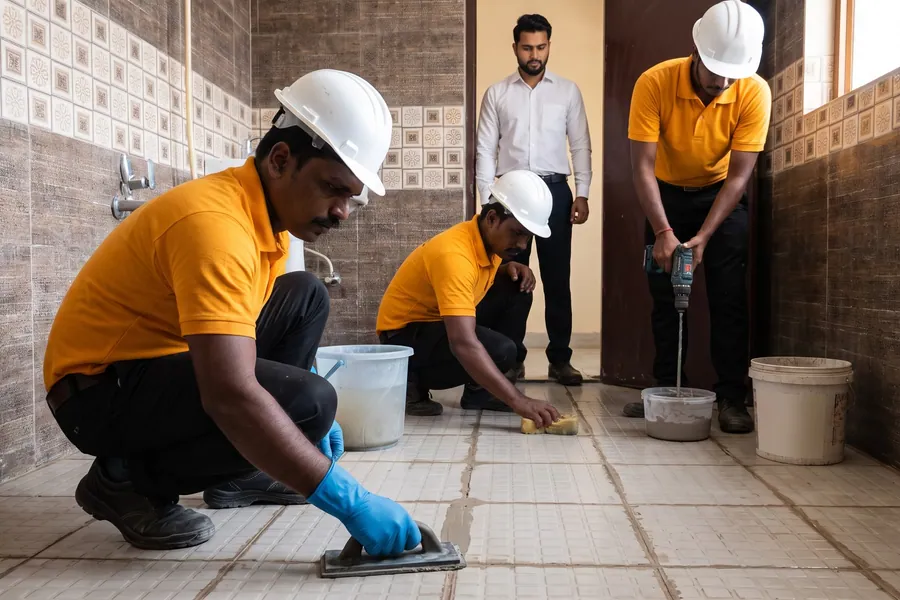
Epoxy goes in
Joints are refilled with epoxy in your chosen colour, packed flush and cleaned back. Your tiles stay where they are.
Check availability & book
Tell us where you are and which joints are failing. We'll confirm serviceability instantly.
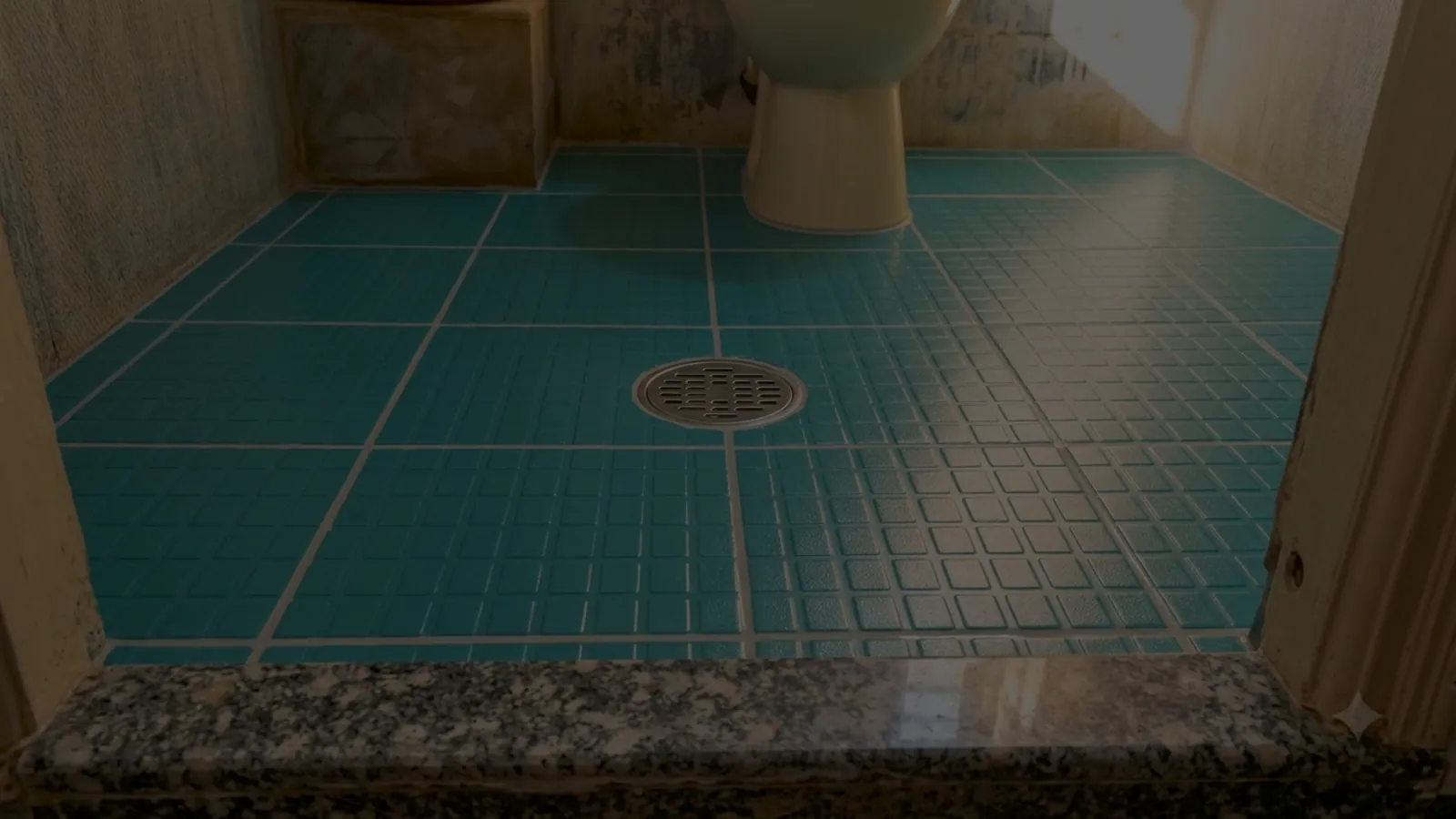
The material matters
We work with brands you can look up.
Anyone can say “premium epoxy”. Ask them which one. We’ll tell you the exact product going into your joints before we start.






- 100% Waterproof
- Stain & Dirt Resistant
- Anti-Fungal & Hygienic
- Crack-Resistant
- Smooth Premium Finish
- Easy to Clean
- No tiles removed
- Karnataka-wide
Where joints fail
Walk through the house.
It’s the same 3mm line every time.
Every room punishes a grout joint differently. Cement gives up in a different way in each one — and epoxy answers each for the same reason.
- 01
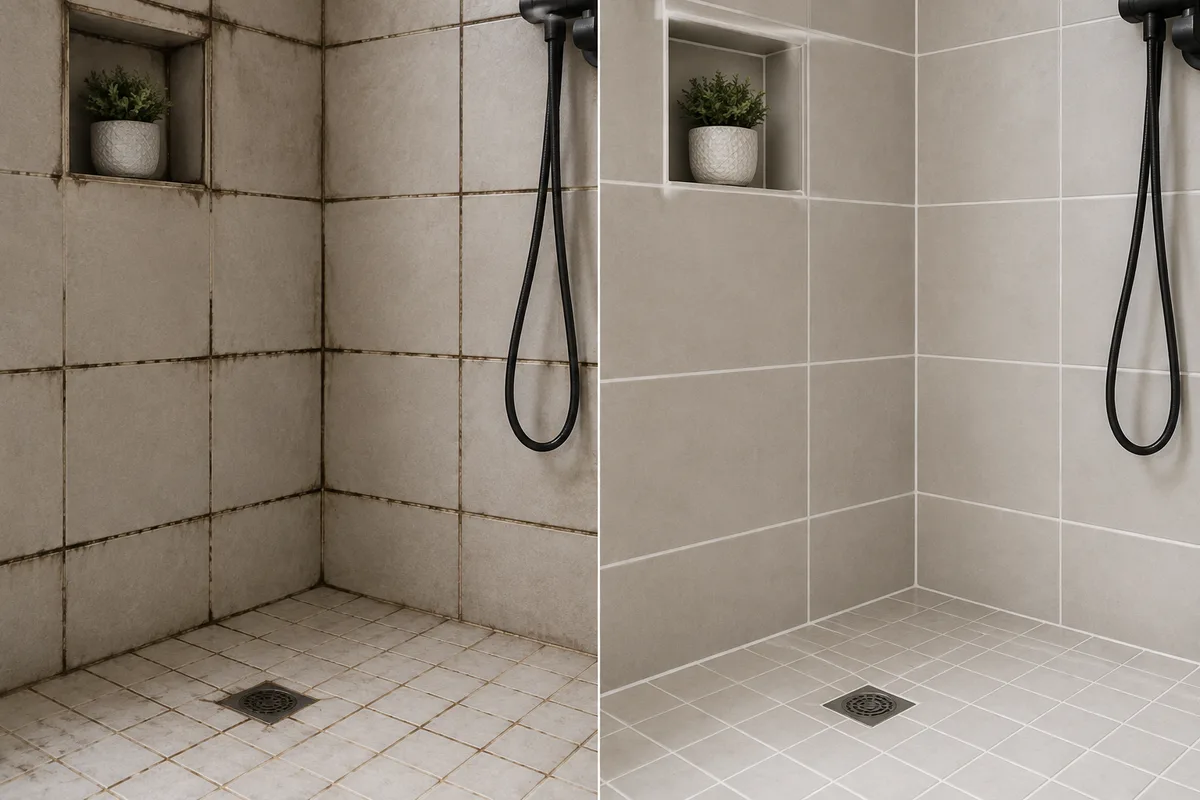
Bathroom
Wet, every dayCement grout Cement grout is porous. It drinks shower water, then blackens from the inside with mould you can’t scrub out.
Epoxy Epoxy joints are non-porous — water sits on top and wipes away. Nothing gets in, so nothing grows.
- 02
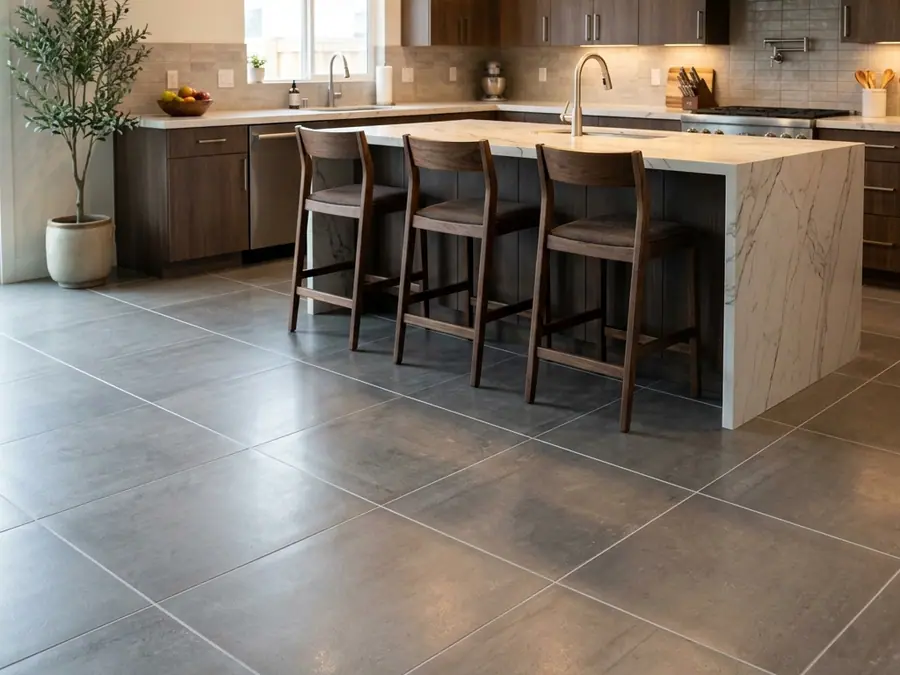
Kitchen
Grease and spillsCement grout Oil and turmeric soak straight into cement joints. The stain is permanent because it’s inside the grout, not on it.
Epoxy Epoxy won’t absorb. Grease, oil and food colour stay on the surface and come off with a cloth.
- 03
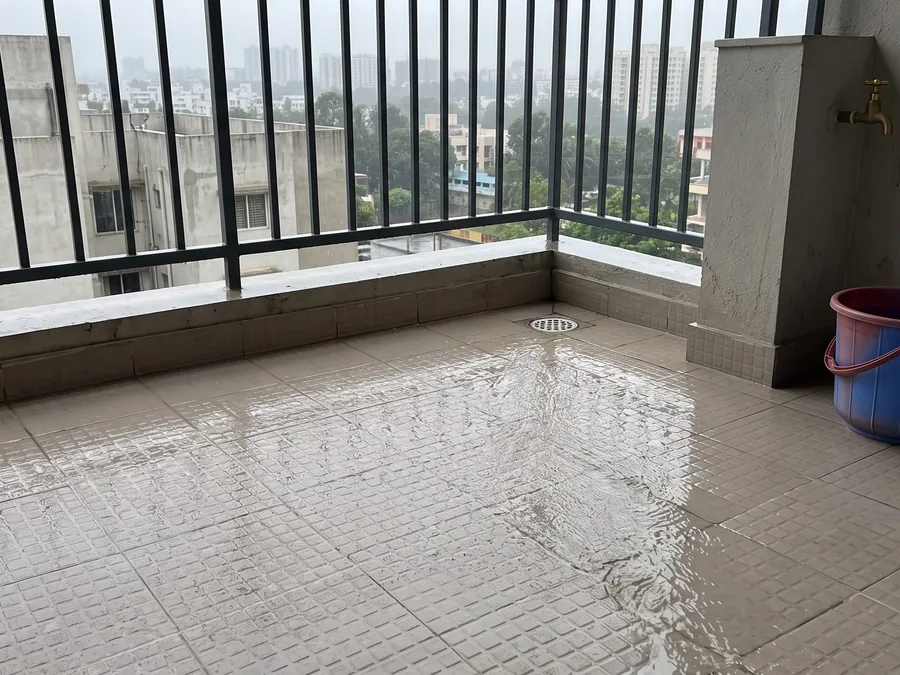
Balcony & utility
Sun, then rainCement grout Constant expansion and contraction crumbles cement joints. Once they crack, water reaches the slab underneath.
Epoxy Epoxy stays flexible and bonded through the same cycle, so the joint holds instead of powdering out.
- 04
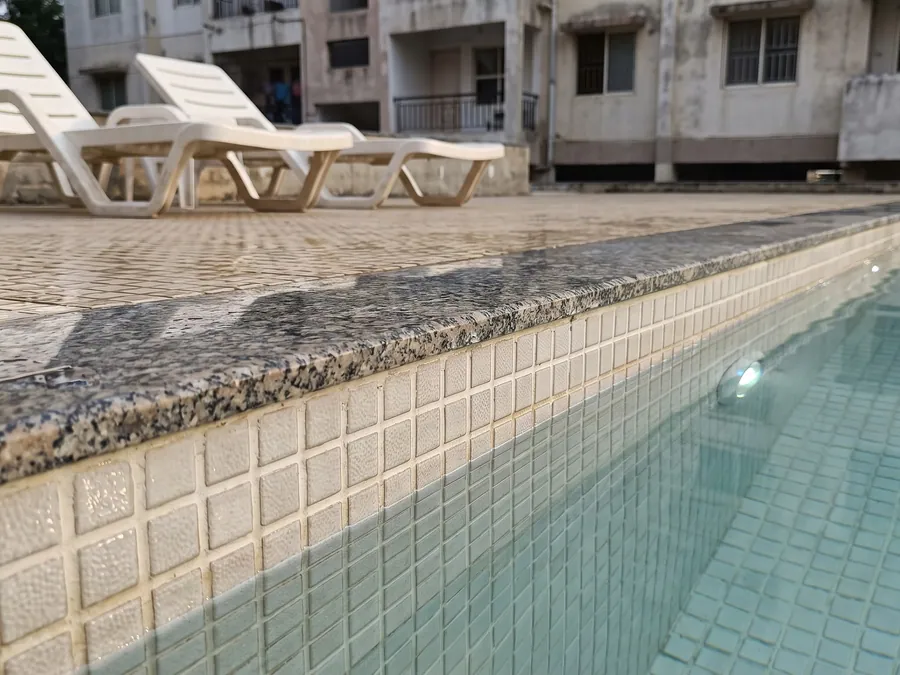
Swimming pool
Chemicals, permanently submergedCement grout Chlorinated water attacks cement grout continuously. Joints wash out, tiles loosen, the pool starts losing water.
Epoxy Epoxy resists pool chemistry and stays watertight under permanent immersion — this is the job it was built for.
- 05
Hotels & restaurants
Footfall and inspectionCement grout Stained joints read as dirty even after cleaning — and in a kitchen, a porous joint is a hygiene finding.
Epoxy A sealed, wipeable joint cleans back to new and holds up to daily commercial cleaning.

- 06
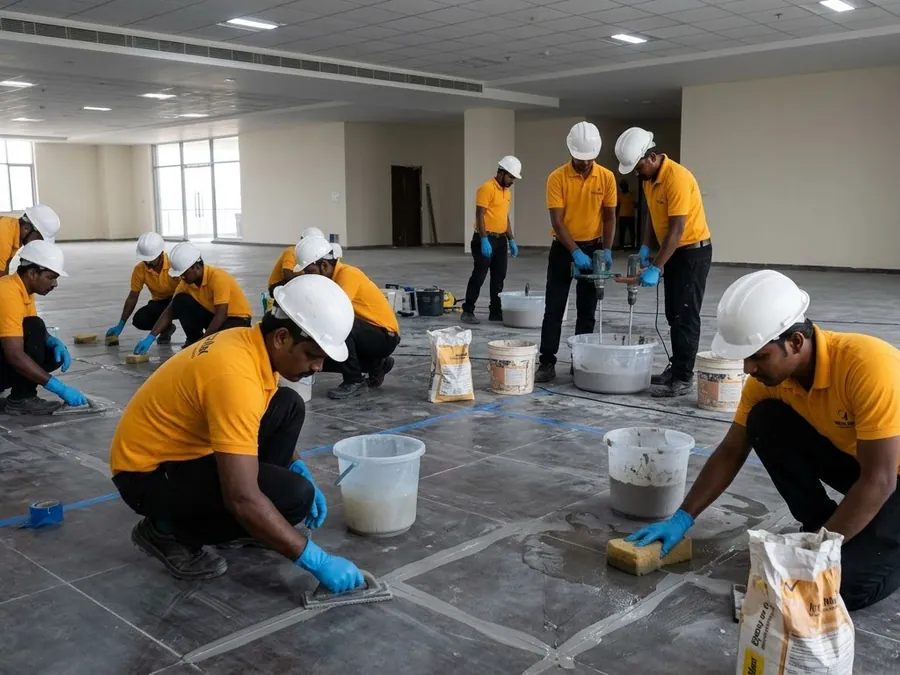
Offices
High trafficCement grout Grit walked across cement joints wears them into shallow, grey channels that collect more grit.
Epoxy Epoxy sits hard and flush with the tile, so there’s nothing to wear into and nothing to trap.
Your trusted partner in tile epoxy grouting.
The crew that grouts it is the crew that quoted it. Grouting is a finishing trade — the difference between a joint that lasts and one that lifts is entirely in how carefully it was done, so we don't subcontract it. Named material, trained hands, one team accountable from the inspection to the last wipe-down.
Branded material, named up front
MYK, Dr Fixit, Pidilite, ROFF, Asian, Sika. You are told which product is going into your joints before we start, and you can look it up.
The old grout comes out
Every failed joint is cut out before it is refilled. This is the step cheap quotes leave out, and it is why their work lifts within a year.
Our own uniformed crew
The team that inspects your joints is the team that does the work. In uniform, in your home, and they clean up behind themselves.
Your tiles stay where they are
No lifting, no demolition, no re-tiling bill, and no room out of use for days. We work the joints, not the floor.

Our own crew
Uniformed, not subcontracted
What is epoxy tile grouting?
Grout is the filler between your tiles. Standard grout is cement-based and porous, so it absorbs water, stains and grows mould. Epoxy grout is a resin instead — non-porous, sealed, and it does not soak anything up. Same joint, completely different material.
Can you do it without removing my tiles?
Yes — that is the whole point. We cut the old grout out of the joints and refill them. Your tiles are never lifted, so there is no demolition and no re-tiling cost.
Which materials do you use?
We work with established brands — MYK, Dr Fixit, Pidilite, ROFF, Asian and Sika. We will tell you exactly which product is going into your joints before we start, and you can look it up.
Is it safe for bathrooms and kitchens?
Yes. Epoxy grout is anti-fungal and non-toxic once cured, which is why it is the standard choice for wet areas, food-prep surfaces and swimming pools.
Will the old stains come back?
No. Blackening in cement grout happens inside the grout, which is why scrubbing never fully works. Once that grout is removed and replaced with epoxy, there is nothing porous left for a stain or mould to get into.
How much does it cost?
It depends on the joint length and the condition of the existing grout, so we quote after inspecting it. You get one clear price before any work starts, and the price you get is the price you pay.
Which areas do you cover?
Across Karnataka, with Bangalore as our base. Call or WhatsApp and we will confirm for your location.